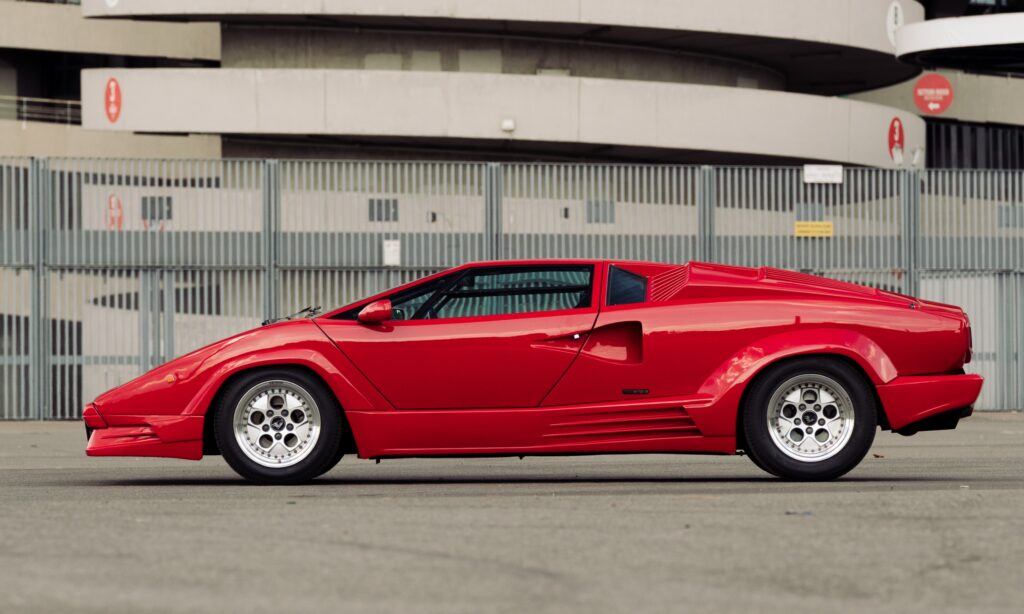
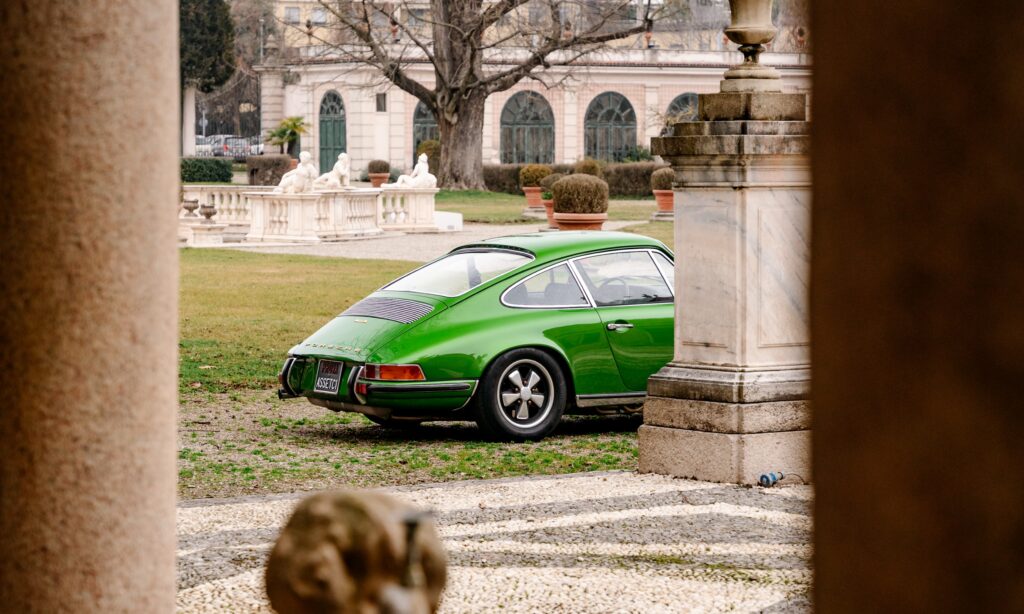
The New Golden Era of Collectible Cars: Why Demand Is Rising and What Investors Should Watch
A Market Evolving Beyond Passion
For decades, collectible cars were primarily the realm of enthusiasts—driven by emotion, heritage, and the thrill of ownership. Today, the market is transforming. While passion remains central, data, global demand, and investment logic are increasingly influencing valuations.
AssetClassic observes this shift daily: a broader, better-informed audience is entering the asset class, seeking both cultural value and financial performance.
1. Rising Global Demand Across Generations
Interest in classic and modern collectible cars is no longer limited to Baby Boomers.
Younger investors—Millennials and early Gen-Z—are showing growing appetite for:
- limited-production 1990s icons,
- analog supercars,
- early EV and hybrid models with historical relevance,
- race-bred editions from the 2000s.
This demographic evolution creates new liquidity and expands demand for segments previously considered niche.
2. Data Is Redefining Transparency
The market has historically suffered from information gaps: private sales, inconsistent records, unclear provenance.
Today, however:
- auction results are globally accessible in real time,
- private listings leave a stronger digital footprint,
- vehicle histories are increasingly documented,
- pricing benchmarks are easier to analyze.
This transparency reduces volatility and helps investors make decisions grounded in measurable trends rather than sentiment alone.
3. Europe and North America Remain the Core Engines
While the market is global, two regions continue to define price movements:
- Europe, with its heritage marques, dense auction calendar, and deep collector base.
- North America, home to some of the strongest demand for rare Porsches, Ferraris, American muscle, and limited-run exotics.
Cross-regional interest—especially for homologation specials, race cars, and limited-production supercars—continues to strengthen valuations.
4. The “Investment-Grade” Criteria Are Becoming Standard
More buyers are adopting frameworks traditionally used in fine art or luxury collectibles.
Vehicles showing the strongest resilience share common traits:
- verified provenance and ownership history
- matching-numbers
- limited production runs
- originality or certified restorations
- low mileage and documented maintenance
- cultural relevance or motorsport pedigree
Cars that meet these benchmarks are now treated as long-term stores of value.
5. Experience Still Matters—Maybe More Than Ever
Even as data and investment logic grow, emotion remains a critical part of the market.
Collectors don’t just buy cars—they buy stories, engineering milestones, design icons.
Events, rallies, and curated community experiences (like The Classics Forum) reinforce this cultural value, strengthening demand for specific models and eras.
Conclusion: A Market Entering a “Golden Era”
The collectible car market is not only expanding—it is professionalizing.
Better information, a wider investor base, and stronger global demand are creating a more mature, resilient ecosystem.
For investors and collectors, this is an opportunity: a moment to combine passion with strategy, and to build collections that appreciate both in value and significance.